2025: A Historic State Legislative Session for Water and Wildlife!
New Mexico legislators have passed a measure that strengthens the Strategic Water Reserve. The bill creates a permanent fund, adds…

In New Mexico’s desert landscape, where water is scarce, healthy watersheds are essential to the survival of our communities, wildlife, and culture. From the Rio Grande to the Gila River, and the small tributaries that feed them, clean water sustains living systems, supports a thriving outdoor economy, and anchors the identity of the land itself. When watersheds are degraded by pollution, drought, or reckless development, we don’t just lose a resource—we erode the ecosystems, traditions, and sense of place that define New Mexico.
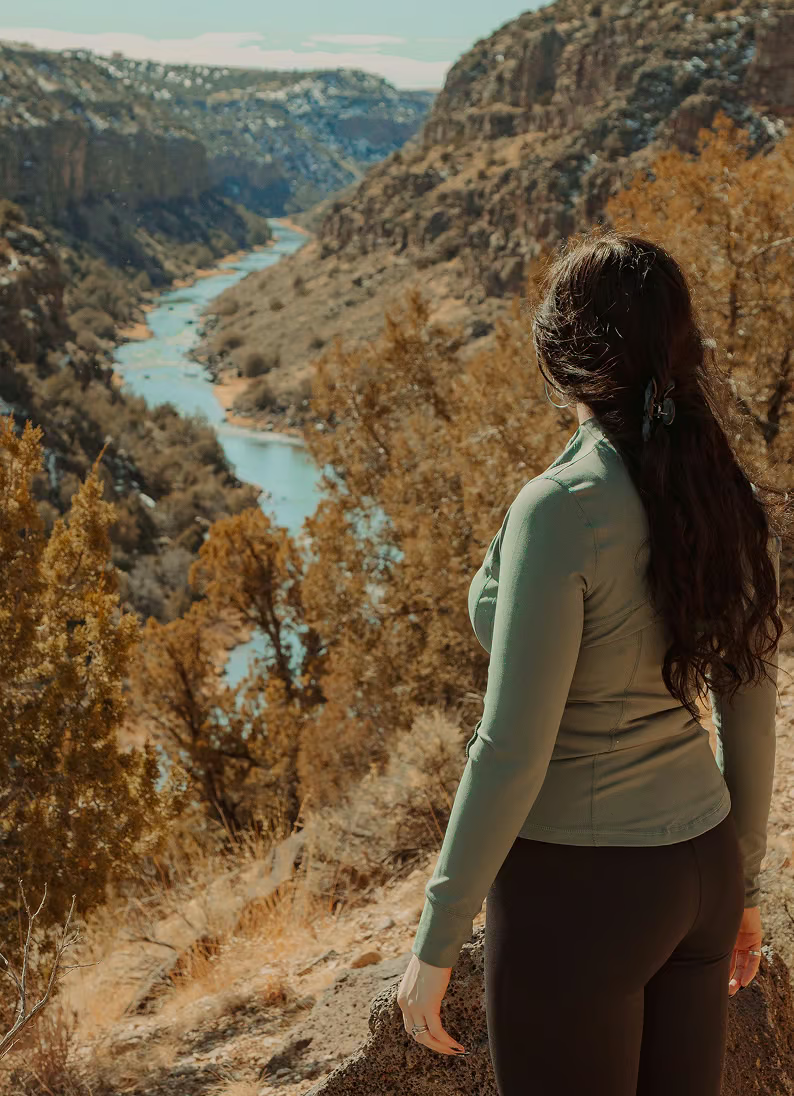
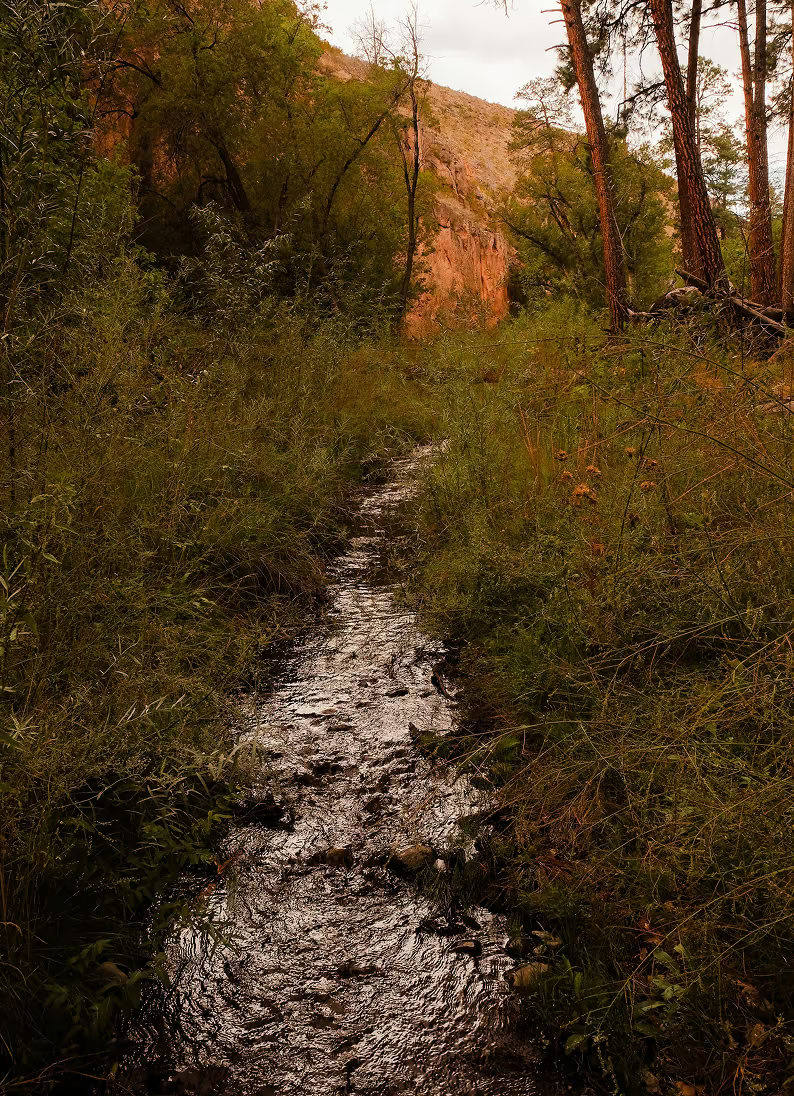

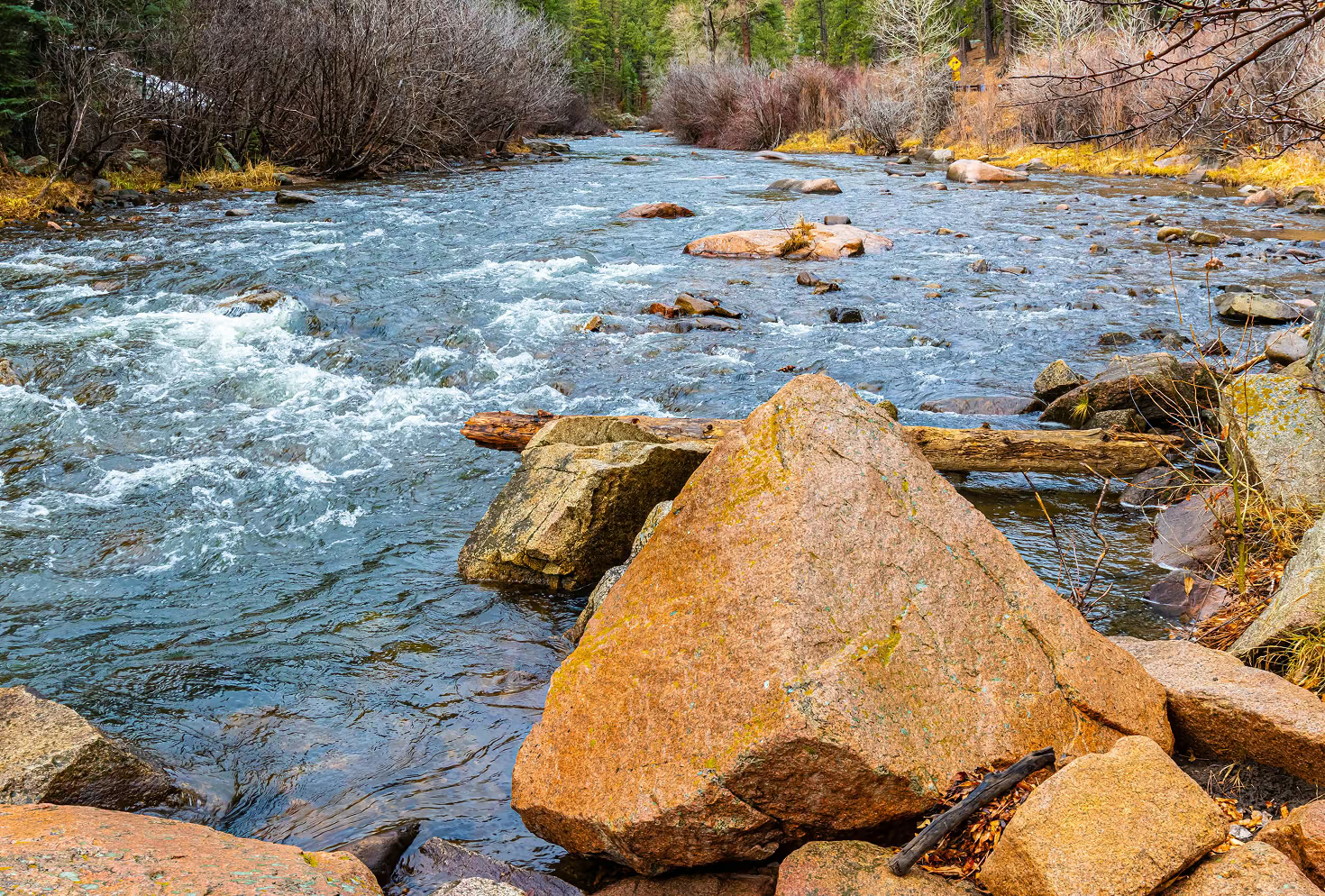
The Pecos Wilderness provides a critically important source of clean water with immeasurable cultural, agricultural, ecological, economic, and recreational value. The Wilderness is surrounded by 120,000 acres of unprotected roadless forest lands that are threatened by development. Protecting these lands is essential to ensure the interconnected water, wildlife, and cultural traditions they support may continue.
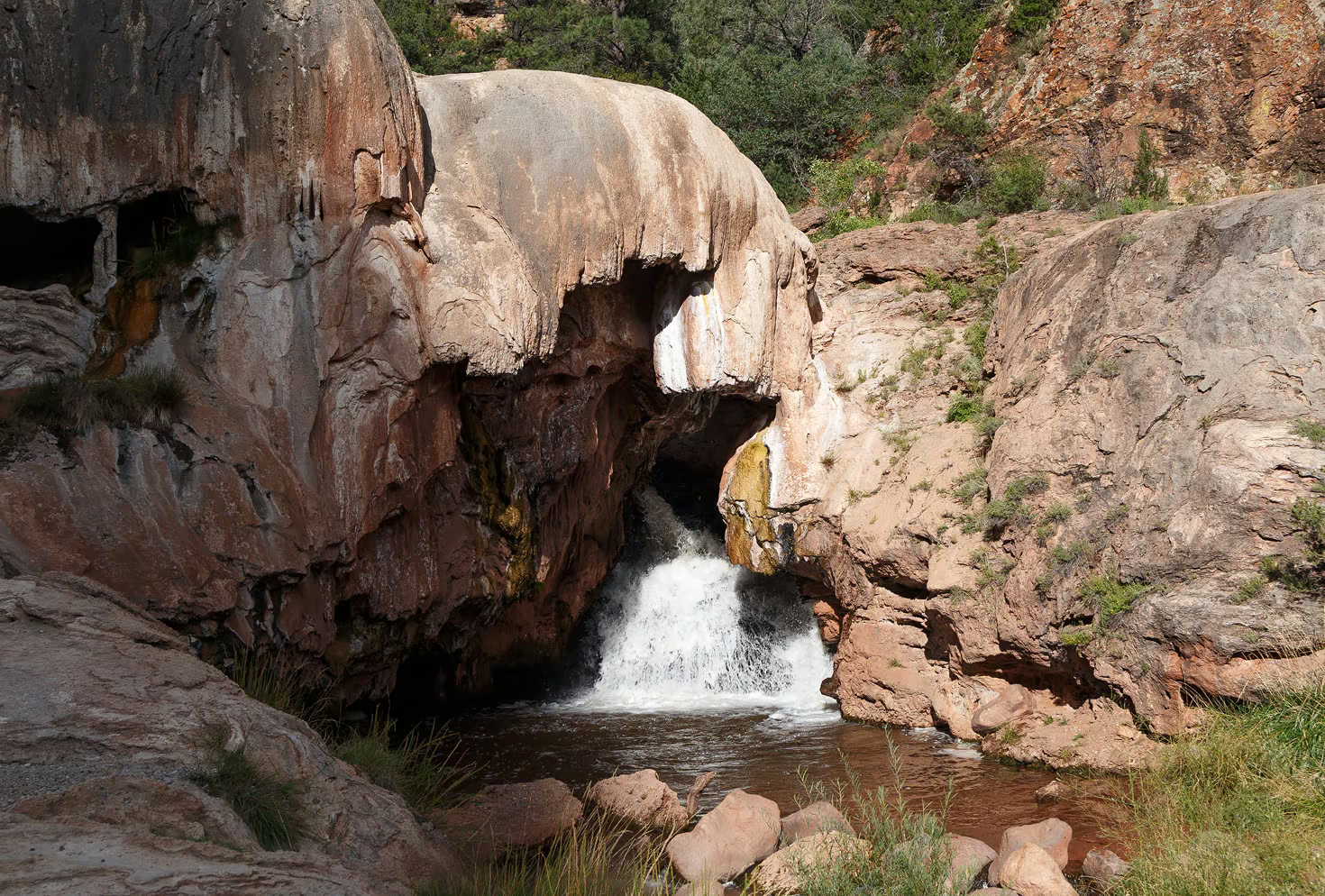
New Mexico’s rivers and streams are lifelines for communities and wildlife, but aridification (becoming a drier climate), reduced snowpack, and drought threaten this resource. Through grassroots advocacy, education, and policy, we can protect our waters and help secure a resilient future for both the people and nature in our arid state.
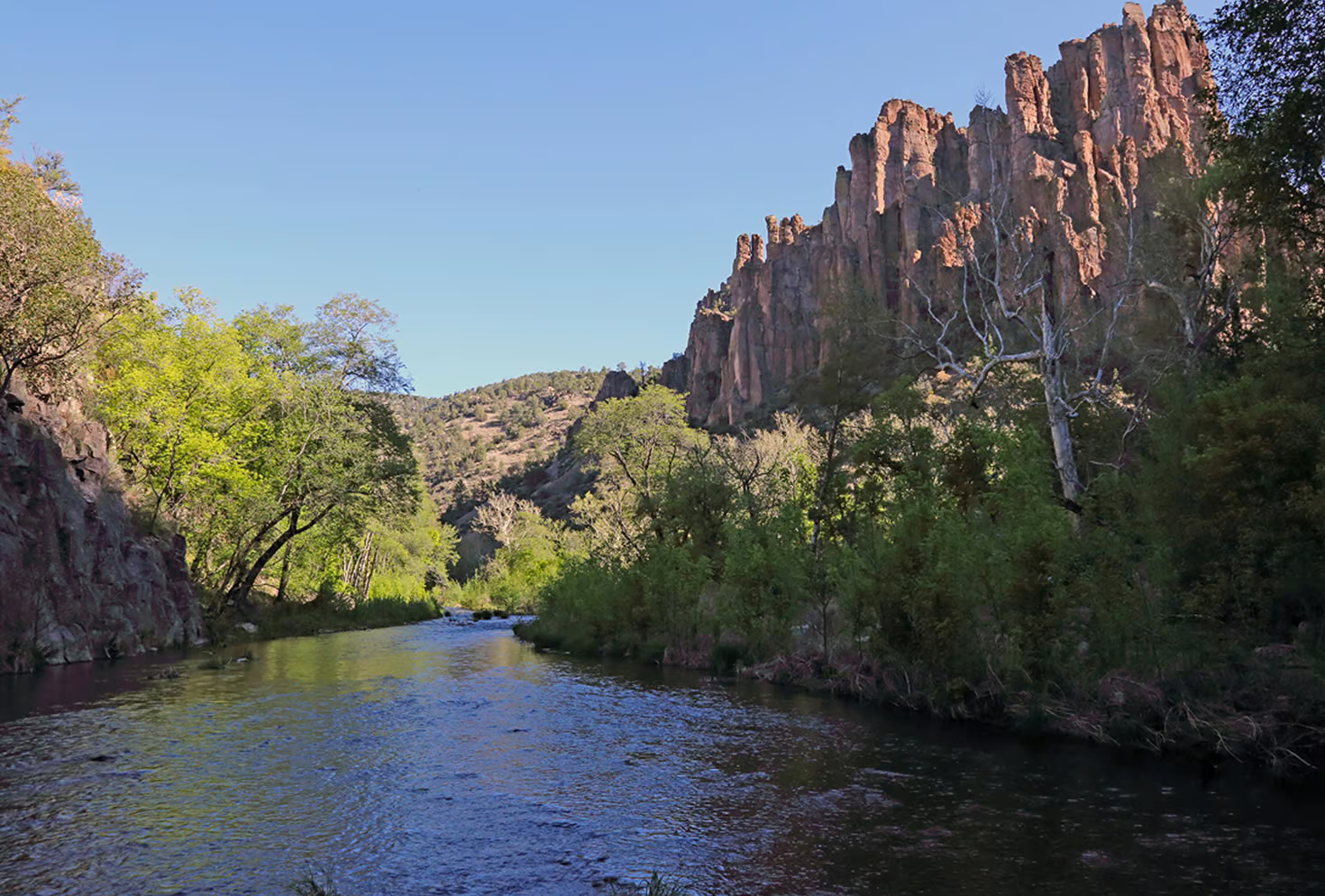
The Gila is New Mexico’s last free-flowing river, born in the world’s first designated Wilderness. But recent proposals to dam and divert the Gila and other nearby rivers are putting this landmark watershed at risk. That’s why a growing coalition is working to secure lasting protections and keep the Gila free-flowing for good.